Southern California Employment Law 2026: Key Updates for Workers and Employers
Southern California Employment Law 2026: What Every Worker and Employer Must Know
As we step into 2026, the landscape of employment law in Southern California continues to evolve, reflecting broader social trends, economic shifts, and legislative priorities. Whether you are a worker navigating your rights or an employer striving for compliance, understanding the key changes and ongoing regulations is crucial. This guide highlights everything you need to know about Southern California employment law in 2026.
Understanding the Basics of Southern California Employment Law
Southern California employment law is shaped by a combination of federal, state, and local legislation designed to protect both workers and employers. The region is known for its progressive labor policies, making it essential for all parties to stay updated on legal requirements.
Key areas affected by employment law include:
- Worker classification (employee vs. independent contractor)
- Minimum wage and overtime pay
- Workplace discrimination and harassment
- Leave entitlements and accommodations
- Health and safety regulations
Major Updates in Southern California Employment Law for 2026
Several significant updates have come into effect in 2026, impacting how businesses operate and how employees are protected.
1. Increased Minimum Wage Standards
Southern California cities continue to lead with higher minimum wages than the federal and state baseline. In 2026, many municipalities have raised minimum wages, reflecting the region’s high cost of living. Employers in cities such as Los Angeles, San Diego, and Santa Monica must ensure they are paying the correct wage rates, which now range from $18 to $22 per hour depending on locality and company size.
2. Expansion of the Family and Medical Leave Protections
The California Family Rights Act (CFRA) has expanded, now covering smaller employers with as few as five employees. This means more workers are entitled to job-protected leave for family care, medical issues, or pregnancy-related needs. Employers must update their leave policies and ensure compliance with this broadened coverage.
3. Strengthening of Worker Classification Rules
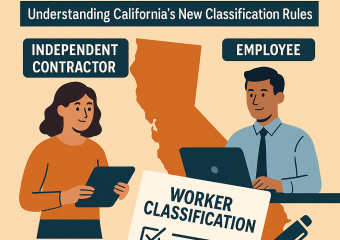
Southern California is cracking down on the misuse of independent contractor status. Following state-wide initiatives, 2026 brings tougher enforcement of the “ABC” test, which presumes workers are employees unless employers prove otherwise. Misclassification can lead to penalties, back pay, and liability for unpaid benefits.
Employment Discrimination and Harassment: What’s New?
The region has a zero-tolerance approach to workplace discrimination and harassment, enforcing strict standards under the Fair Employment and Housing Act (FEHA).
Updated Training Requirements
New rules mandate annual sexual harassment training not only for supervisors but also for all employees in companies of five or more staff members. This aims to foster a safe, respectful work environment and reduce incidents of misconduct.
Enhanced Protections for Diverse Workers
Southern California employment law now emphasizes inclusivity for LGBTQ+ employees, individuals with disabilities, and those needing religious accommodations. Employers must actively prevent discriminatory practices and provide reasonable accommodations whenever feasible.
Tips for Employers: Staying Compliant in 2026
Compliance with employment law is more complex than ever. Employers should:
- Regularly review wage and hour policies to keep up with local rate changes.
- Implement or update comprehensive leave policies in line with CFRA expansions.
- Audit worker classifications to avoid misclassification claims.
- Provide mandatory harassment training promptly and track completion records.
- Create clear protocols for accommodation requests.
- Engage legal counsel periodically for up-to-date advice and risk assessments.
What Employees Should Know in 2026
Rights to Fair Wages and Overtime
Workers must be aware of the minimum wage rates in their city and know their right to overtime pay after certain hours worked, especially as local rules can supersede state standards.
Expanding Leave Rights
More employees than ever qualify for CFRA leave, with job protection guaranteed during qualifying family or medical absences. Understanding eligibility and employer obligations helps workers assert their rights confidently.
Protection Against Wrongful Classification
If an employer labels you as an independent contractor but you believe you meet the criteria of an employee, you have recourse to challenge that classification and seek appropriate benefits.
Looking Ahead: Trends in Southern California Employment Law
Expect ongoing attention toward:
- Gig economy regulations, as lawmakers continue to determine how best to protect nontraditional workers.
- Enhanced workplace safety measures, particularly regarding mental health and Covid-19 related protocols.
- Stronger privacy protections for employees in the age of digital monitoring.
Employers and employees alike should watch legislative developments closely and adapt quickly.
Conclusion
Southern California employment law in 2026 demands vigilance from both workers and employers. By understanding the key updates—higher wages, expanded leave rights, stricter classification rules, and enhanced anti-discrimination measures—stakeholders can foster fair, legal, and productive workplaces. Staying informed and proactive is essential to navigate this evolving legal environment successfully.