Retaliation at Work: Essential Guide for SoCal Employees Filing Claims
Workplace retaliation is a serious issue that affects many employees in Southern California (SoCal). Understanding your rights and the steps involved before filing a claim can make a big difference in the outcome of your case. This article provides a clear overview of retaliation at work, what it means for SoCal employees, and how to proceed if you believe you have been retaliated against.
What Is Retaliation at Work?
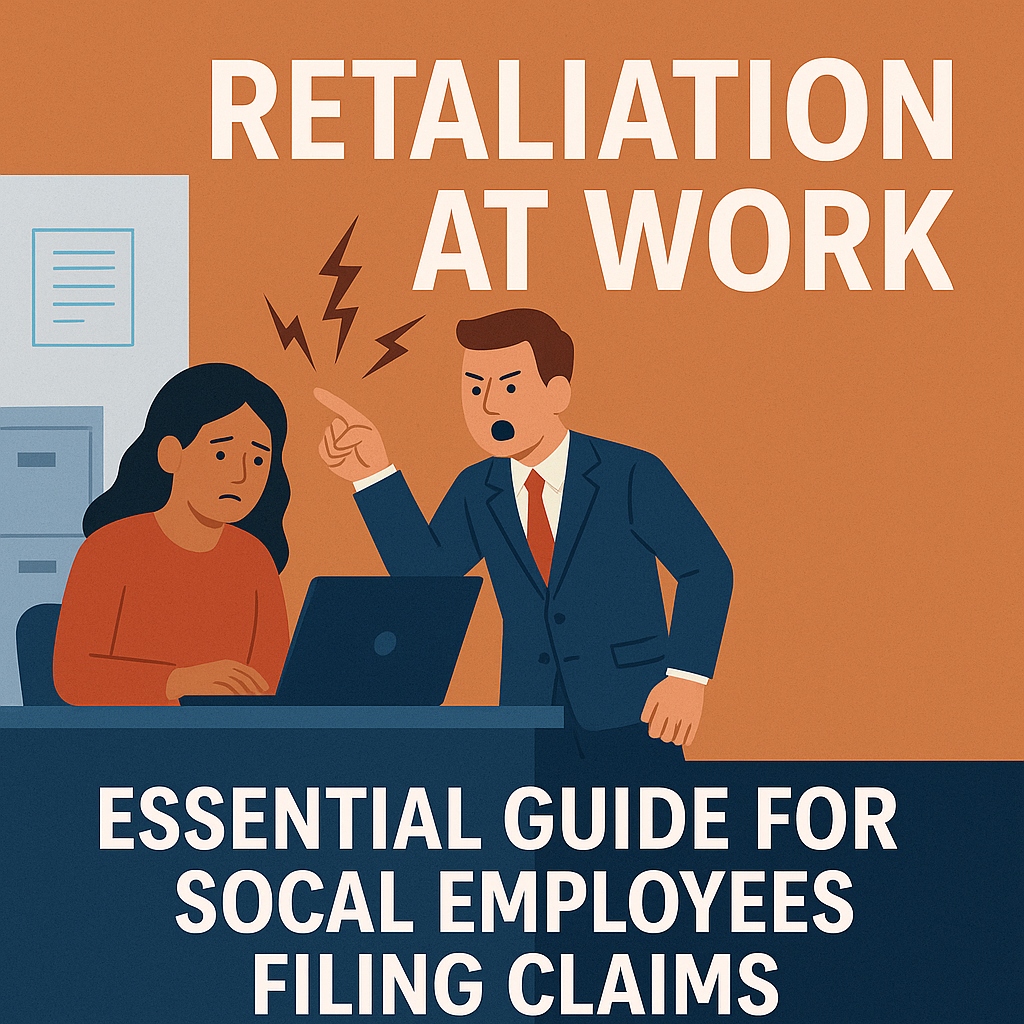
Retaliation at work occurs when an employer punishes an employee for engaging in legally protected activities. These activities can include:
- Reporting workplace discrimination or harassment
- Filing a workers’ compensation claim
- Participating in an investigation or lawsuit involving workplace rights
- Requesting reasonable accommodations under the Americans with Disabilities Act (ADA)
- Taking protected leave such as Family and Medical Leave Act (FMLA) leave
Common forms of retaliation include demotion, termination, wage reduction, harassment, unfavorable work assignments, and increased scrutiny or discipline.
Why Is Retaliation Illegal in SoCal?
California has robust employment laws that prohibit retaliation. The Fair Employment and Housing Act (FEHA) and other state regulations explicitly forbid employers from retaliating against employees for exercising their rights. Southern California employees are protected under these laws, which not only cover discrimination complaints but also extend to whistleblowing and other protected activities.
Employers who engage in retaliation face legal consequences, including damages and penalties.
Signs You May Be a Victim of Retaliation
If you recently exercised a workplace right and notice negative changes in your work environment, consider whether you may be a victim of retaliation. Some common signs include:
- Sudden and unexplained disciplinary action
- Demotion or reduction in duties without cause
- Negative performance reviews that contradict prior evaluations
- Exclusion from meetings or training opportunities
- Hostile or harassing behavior from supervisors or coworkers
- Termination shortly after engaging in protected activity
Keep detailed records of these instances as they can be important evidence later.
Essential Steps Before Filing a Retaliation Claim
Filing a retaliation claim can be complex and requires preparation. Here are important steps every SoCal employee should take:
1. Document Everything
Maintain a detailed record of incidents related to retaliation, including dates, times, locations, people involved, and descriptions of what happened. Save emails, texts, or any communications that support your claim.
2. Understand Your Rights
Familiarize yourself with your rights under California employment laws. Knowing what constitutes retaliation and your protected activities helps you recognize unlawful acts.
3. Report Internally
If possible, report retaliation to your employer’s human resources department or use the company’s complaint procedures. This demonstrates that you gave your employer a chance to address the issue.
4. Seek Legal Advice
Before filing a formal claim with a government agency or court, consult with an experienced employment attorney in SoCal. They can evaluate your case, explain your options, and help you navigate the legal process.
5. File a Complaint with the Right Agency
In California, retaliation claims often start with filing a complaint with the Department of Fair Employment and Housing (DFEH). The DFEH will investigate and may try to mediate before the claim reaches court.
Important Considerations for SoCal Employees
- Timing Matters: Retaliation claims must be filed within a specific time frame, often within one year from the incident. Acting promptly is crucial.
- Retaliation for Any Protected Activity: The law protects a wide range of activities beyond discrimination complaints, including whistleblowing and reporting safety violations.
- Protection from Retaliation Extends to Witnesses: Employees who support or assist others in making claims are also protected from retaliation.
- Retaliation Can Be Subtle: Sometimes retaliation isn’t blatant but includes subtle actions that create a hostile work environment.
Conclusion
Retaliation at work can significantly impact your career and well-being, but SoCal employees have strong protections under the law. If you believe you have experienced retaliation, take immediate and informed action: document everything, know your rights, formally report the issue internally, seek expert legal advice, and file a complaint if necessary.
Being proactive and knowledgeable can help you protect your rights and achieve a fair resolution. Remember, retaliation is illegal, and you don’t have to face it alone.
For more information on employee rights and legal support in Southern California, consider consulting with an employment law professional.