
Los Angeles Workplace Retaliation in 2025: What Every Employee Must Know
Workplace retaliation remains a critical issue in Los Angeles, particularly as the workforce evolves in 2025. Employees who exercise their rights—whether by reporting discrimination, harassment, or safety violations—must be aware of the protections afforded to them and the emerging trends in retaliation claims. Understanding the legal landscape and how to navigate potential retaliation is essential for every worker in Los Angeles today.
What Is Workplace Retaliation?
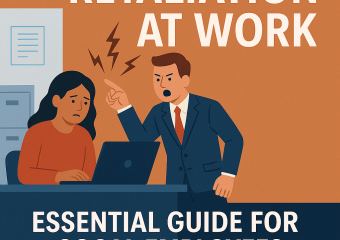
Workplace retaliation occurs when an employer punishes an employee for engaging in legally protected activities. These activities include reporting workplace discrimination, filing complaints with government agencies, participating in investigations, requesting accommodations for disabilities, or reporting unsafe working conditions. Retaliation can take many forms: demotion, termination, reduced hours, shifts in assignments, harassment, or any adverse action that negatively impacts the employee.
In Los Angeles, where labor laws are often more robust than federal standards, workers have significant protections against retaliation. However, retaliation remains a subtle and complex issue, often difficult to prove unless employees are well-informed about their rights.
Why Is 2025 a Pivotal Year for Retaliation Protections?
Several legislative updates and shifts in workplace culture have marked 2025 as a notable year for employee protections in Los Angeles. Employers are increasingly held accountable not only for preventing workplace misconduct but also for ensuring employees do not suffer retaliation for speaking up.
Enhanced Legal Protections
In response to rising complaints of workplace retaliation, California lawmakers have expanded laws to cover retaliation more comprehensively. For example, recent amendments to the California Fair Employment and Housing Act (FEHA) and the Labor Code impose steeper penalties on companies that retaliate and provide employees with greater recourse.
Additionally, the City of Los Angeles has introduced local ordinances requiring employers to implement anti-retaliation policies and offer training on these protections. These regulations aim to create safer, more equitable workplaces.
The Rise of Remote and Hybrid Work Challenges
The increase in remote and hybrid work arrangements presents unique challenges for addressing and identifying retaliation. Supervisors may inadvertently create hostile environments through digital communication or by isolating employees who report misconduct. This new dynamic requires employees and employers to be vigilant in maintaining transparent and fair interactions remotely.
Recognizing Signs of Workplace Retaliation
Employees should be able to spot retaliation early to protect themselves and seek help. Typical signs include:
- Sudden changes in job responsibilities or workload without clear justification
- Being excluded from meetings, projects, or social interactions
- Unexplained negative performance reviews
- Demotion, suspension, or termination shortly after making a complaint
- Hostile or intimidating behavior from management or coworkers
If any of these behaviors occur soon after an employee engages in a protected activity, retaliation could be the cause.
Legal Steps Employees Can Take Against Retaliation in Los Angeles
Workers facing retaliation have several steps to safeguard their rights:
Document Everything
Maintain thorough records of incidents, communications, and changes in employment conditions. Emails, text messages, and notes from meetings can provide crucial evidence.
Report Internally
Use your company’s internal reporting systems, such as HR departments or anonymous hotlines, to document the issue formally.
File a Complaint with Government Agencies
If internal reporting does not resolve the issue, employees can file complaints with agencies like the California Department of Fair Employment and Housing (DFEH) or the Equal Employment Opportunity Commission (EEOC).
Seek Legal Advice
Consulting with an employment law attorney experienced in Los Angeles workplace retaliation cases can help clarify rights and generate a strategy for legal action if necessary.
Building a Retaliation-Resistant Work Culture
Employers in Los Angeles are encouraged to foster work environments that discourage retaliation altogether. This includes:
- Clear anti-retaliation policies communicated regularly to staff
- Training for supervisors on how to handle complaints without retaliating
- Open channels for employee feedback
- Prompt investigations of reported concerns
When management commits to these principles, employees can speak up without fear, leading to healthier, more productive workplaces.
Conclusion
Workplace retaliation is an ever-present threat, but as 2025 unfolds, employees in Los Angeles are better equipped than ever to understand and assert their rights. Awareness of changing laws, recognizing signs of retaliation, and knowing effective response strategies are crucial for protecting oneself. At the same time, a joint effort between workers and employers to cultivate respectful, transparent workplaces promises a future where retaliation becomes far less common. Staying informed and proactive is key for every employee navigating the evolving landscape of workplace rights in Los Angeles.